Product Overview
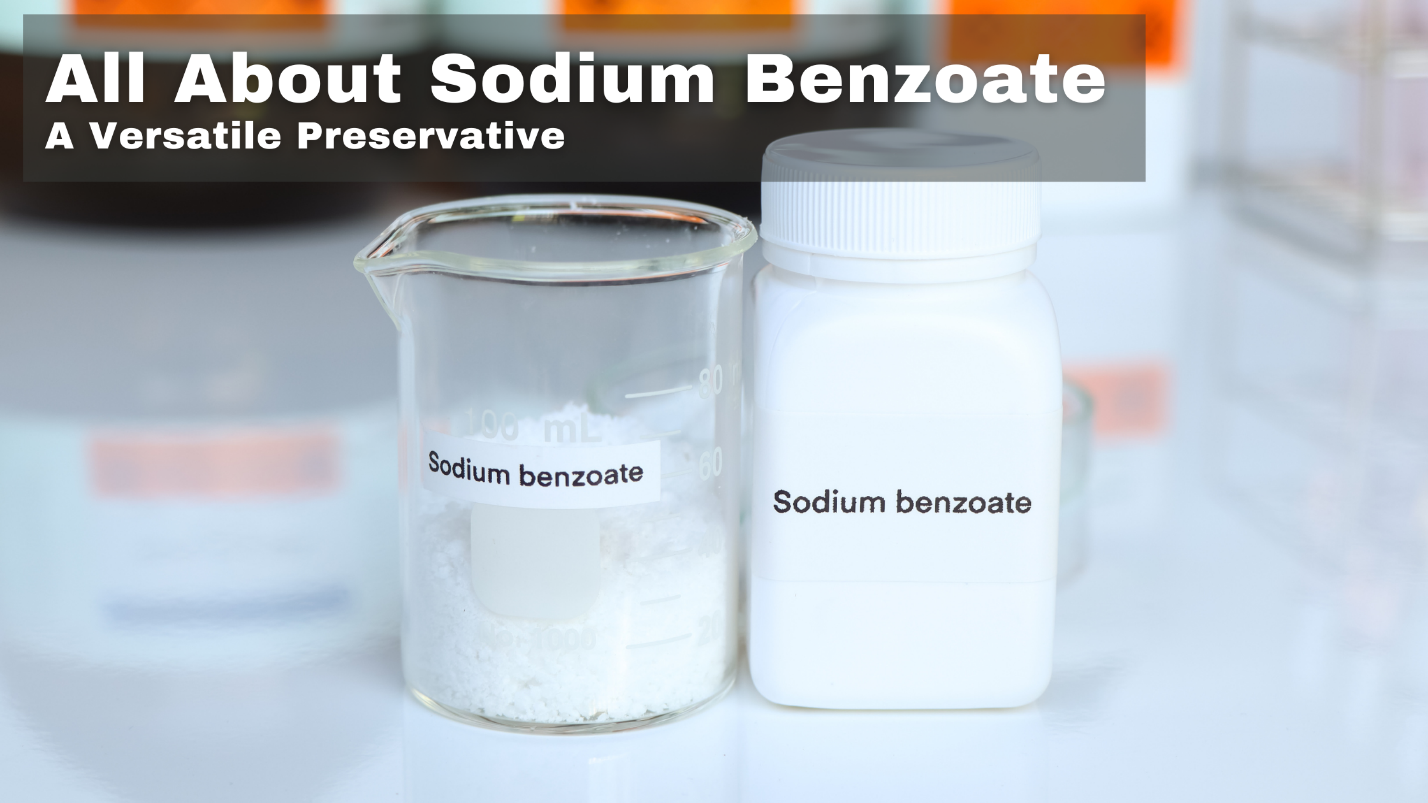
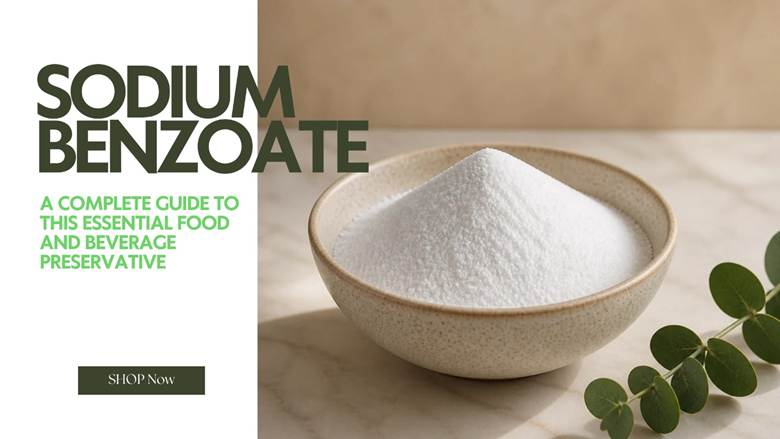
Sodium Benzoate is the sodium salt of benzoic acid, an organic acid that occurs naturally in cranberries, prunes, plums, cinnamon, and certain other fruits and spices. Commercially, it is produced by neutralizing benzoic acid with sodium hydroxide under controlled conditions, yielding a white, odorless, highly water-soluble crystalline powder with a neutral taste at the concentrations used in food manufacturing. Its INCI name is Sodium Benzoate, its internationally recognized food additive code is E211, and its CAS number is 532-32-1.
Sodium Benzoate holds a distinguished place in food preservation history: it was the very first preservative the FDA approved for use in food, and it remains one of the most extensively studied, widely approved, and commercially significant food preservatives in the world. It is GRAS classified by the FDA, approved as E211 internationally under Codex Alimentarius, and accepted by regulatory authorities across virtually every major food market globally. Its mechanism of action centers on its effectiveness in acidic environments, where it inhibits the growth of bacteria, yeast, and mold by interfering with their cellular energy metabolism. Beyond food and beverages, Sodium Benzoate has built a substantial presence across pharmaceutical, personal care, pet care, cleaning, and industrial applications, making it genuinely one of the most multi-purpose preservative ingredients a manufacturer can stock.
Why Sodium Benzoate Remains the Industry Standard
Despite the introduction of newer preservative technologies over the decades, Sodium Benzoate has retained its position as a preservation cornerstone for several converging reasons that matter directly to food and beverage manufacturers:
- Unmatched regulatory track record: as the first preservative ever approved by the FDA, Sodium Benzoate carries the longest history of safety evaluation and real-world use of any synthetic food preservative, simplifying regulatory documentation across most global markets.
- Outstanding cost-effectiveness: it remains one of the most economical preservatives per unit of antimicrobial protection, particularly valuable in high-volume beverage and condiment manufacturing where preservation cost per unit matters at scale.
- Proven performance in acidic products: its effectiveness is strongest in exactly the pH range, below 4.5, where carbonated beverages, fruit juices, and acidified condiments naturally sit, making it a near-perfect fit for these product categories.
- Neutral sensory impact: at recommended use levels, it does not affect the taste, smell, or appearance of finished products, which is not true of every preservative alternative.
- Decades of synergistic formulation knowledge: because it has been used for so long alongside other preservatives such as potassium sorbate, there is an extensive, well-documented body of formulation knowledge available to manufacturers optimizing preservation systems.
Key Features & Benefits
- Broad-spectrum antimicrobial preservative, inhibiting bacteria, yeast, and mold across food, cosmetic, pharmaceutical, and industrial formulations.
- Most effective in acidic pH environments below 4.5, where it converts to undissociated benzoic acid, the active antimicrobial form.
- GRAS classified by the FDA and approved internationally as food additive E211, with the longest regulatory history of any synthetic food preservative.
- Highly water-soluble (630 g per liter at 25 degrees C), enabling easy incorporation into water-phase formulations across all industries.
- Synergistic with other preservatives, working particularly well in combination with potassium sorbate for broader pH coverage and microbial spectrum.
- Cost-effective and stable, providing reliable microbial protection without significant impact on product color, odor, or texture.
- Available in food-grade, pharmaceutical-grade, and industrial-grade formats to meet the specific quality requirements of each application.
Applications
Sodium Benzoate is used across six industry categories served by EZ Elements, with food and beverage preservation as its largest and most established application.
- Carbonated soft drinks, fruit juices, and energy drinks, one of its most common global applications, where its effectiveness in acidic, low-pH beverages is unmatched
- Pickles, relishes, olives, and vinegar-based condiments, where acidic pH supports its antimicrobial efficacy throughout extended shelf life
- Jams, jellies, fruit preserves, and marmalades, preventing yeast and mold growth in high-sugar, moderate-acid products
- Salad dressings, sauces, soy sauce, and other condiments requiring extended shelf life after opening
- Fermented and acidified food products where low pH activates its preservative function most effectively
- Yogurt, flavored milk, and dairy beverages as an antimicrobial agent supporting refrigerated shelf life
- Synergistic preservative blends combined with potassium sorbate for broader-spectrum food protection across a wider pH range than either ingredient alone
- Shampoos, conditioners, and hair care products as a water-phase preservative, with permitted use levels up to 2.5% in rinse-off formulations
- Lotions, creams, and moisturizers where microbial protection of the water phase is essential throughout product shelf life
- Baby wipes, facial wipes, and cleansing wipes requiring effective but mild preservation in high-moisture substrates
- Toothpaste and mouthwash formulations, with permitted use levels up to 1.7% in oral care products
- Eye creams, serums, and leave-on skin care formulations, with permitted use levels up to 0.5% in leave-on products
- Natural cosmetic formulations where it is used alongside citric acid or aloe vera juice as part of a recognizable, naturally derived-positioned preservative system
- Oral liquid formulations including syrups, suspensions, and elixirs, where it is a long-recognized pharmaceutical preservative for multi-dose medications
- Topical creams, ointments, and gels, where it contributes antimicrobial stability throughout shelf life and use
- Injectable formulations at controlled concentrations as specified in major pharmacopeias, including USP and EP
- Medicated shampoos and dermatological preparations requiring preservative protection of the formulation
- Oral care pharmaceutical products including medicated mouthwash and dental gels
- Dietary supplements and anti-aging products requiring antimicrobial and antifungal preservation throughout extended shelf life
- Preservative in liquid pet grooming products, including pet shampoos, coat sprays, and conditioning rinses
- Pet wet wipes and ear-cleaning preparations requiring microbial preservation in water-based formats
- Animal feed and supplement formulations where Sodium Benzoate is a permitted feed additive preservative against spoilage
- Natural and conventional pet care product lines using Sodium Benzoate in combination with aloe vera juice or potassium sorbate
- Household and professional cleaning product formulations where microbial stability of the liquid product is required throughout shelf life
- Multi-surface cleaners, bathroom cleaners, and kitchen cleaning liquids as a preservative additive
- Liquid hand soaps and body washes in institutional and commercial cleaning contexts
- Wet wipe formulations for household surface cleaning and disinfection
- Functions as a chelating agent in industrial cleaning formulations, complexing with metal ions that could otherwise interfere with surfactant activity
- Corrosion inhibitor in engine coolants, antifreeze, and automotive fluid formulations, one of its largest industrial applications globally
- Water treatment systems where it is used to control microbial growth in industrial water circuits
- Stabilizer in photographic processing chemicals and film development solutions
- Plasticizer and strength enhancer in certain plastic and polymer manufacturing processes
- Intermediate in chemical synthesis for the production of dyes, pigments, and specialty chemicals
- Reference standard in analytical and quality control laboratories for calibration of preservation testing equipment
Technical Specifications
| Property | Specification |
| INCI Name | Sodium Benzoate |
| CAS No. | 532-32-1 |
| Chemical Formula | C7H5NaO2 |
| Food Additive Code | E211 |
| Common Name | Sodium Benzoate, Benzoate of Soda, Sodium Salt of Benzoic Acid |
| Appearance | White crystalline powder or granules; odourless |
| Assay (Purity) | 99.0% minimum (food and pharmaceutical grade) |
| pH (1% Solution) | 7.5 to 8.5 |
| Solubility | Freely soluble in water (630 g per liter at 25 degrees C); slightly soluble in alcohol |
| Molecular Weight | 144.11 g/mol |
| Effective pH Range | Most active below pH 4.5; active up to pH 7.0 at higher concentrations |
| Origin | Benzoic acid (naturally occurring in fruits and spices) neutralized with sodium hydroxide |
| Recommended Use Level | 0.1% to 0.5% in cosmetics; up to 0.1% in food (regulatory limit varies by market) |
| Regulatory Status | GRAS (FDA); E211 (EU); approved in USP, EP, and major international pharmacopeias |
Why Choose EZ Elements as Your Supplier
EZ Elements supplies food-grade, cosmetic-grade, and pharmaceutical-grade Sodium Benzoate with verified purity, consistent quality, and complete regulatory documentation to support manufacturing across food and beverage, personal care, pharmaceutical, pet care, cleaning, and industrial applications in Canada and North America.
We supply food manufacturers, personal care brands, pharmaceutical formulators, pet care producers, cleaning product developers, and industrial clients, providing:
- Full documentation including Technical Data Sheet (TDS), Certificate of Analysis (COA), and Safety Data Sheet (SDS)
- Multiple grade options, food-grade, pharmaceutical-grade, and technical-grade, to match your regulatory requirements
- Bulk supply with competitive, transparent pricing per kilogram
- Technical support on effective use levels, pH optimization, synergistic preservative combinations, and regulatory compliance guidance
Safety & Storage Guidelines
- Store in a cool, dry, well-ventilated area away from direct sunlight, heat, and moisture; Sodium Benzoate is hygroscopic and absorbs moisture if left unsealed.
- Keep containers tightly sealed after each use to maintain purity and prevent caking or moisture absorption.
- Important formulation warning: avoid combining Sodium Benzoate with Vitamin C (ascorbic acid) in finished formulations; in acidic, water-based conditions this combination can produce benzene, a known carcinogen.
- Use within regulatory-specified concentration limits for each application type and target market, as maximum permitted levels differ between food, pharmaceutical, and cosmetic applications.
- Wear protective gloves and avoid inhalation of fine powder dust during handling.
- Refer to the applicable regulatory limits for your market, as maximum permitted levels differ between food, pharmaceutical, and cosmetic applications and across jurisdictions.
Complete handling, first aid, and disposal instructions are provided in the Safety Data Sheet (SDS) available from EZ Elements upon request.
Frequently Asked Questions
Q1: Which industries use Sodium Benzoate?
Sodium Benzoate is used across six industries: Food and Beverages (the largest application, preservative in soft drinks, juices, condiments, jams, and processed foods), Personal Care (preservative in shampoos, creams, wipes, and oral care products), Pharmaceutical (preservative in syrups, topical preparations, and injectables), Pet Care (preservative in grooming products and animal feed supplements), Cleaning and Sanitation (preservative additive and chelating agent in liquid cleaning products), and Industrial (corrosion inhibitor in coolants, water treatment, photographic stabilizer, and plastic manufacturing).
Q2: Why is Sodium Benzoate considered the industry standard food preservative?
Sodium Benzoate earned this distinction as the very first preservative the FDA approved for use in food, giving it a longer regulatory track record and body of safety research than any other synthetic food preservative. It combines exceptional cost-effectiveness with strong, well-documented performance specifically in the acidic pH range below 4.5, which describes the majority of carbonated beverages, fruit juices, and acidified condiments. Its neutral taste and odour at recommended use levels, combined with decades of established formulation knowledge for combining it synergistically with potassium sorbate, mean food manufacturers can rely on a mature, well-understood preservation tool rather than navigating the formulation uncertainty that comes with newer alternatives.
Q3: Why should Sodium Benzoate not be combined with Vitamin C in formulations?
When Sodium Benzoate is combined with ascorbic acid (Vitamin C) in the presence of water, particularly in acidic conditions, a chemical reaction can occur that produces benzene, a known carcinogen. This reaction is of greatest concern in acidic, water-based formulations such as fruit juices, vitamin-enriched beverages, and certain cosmetics. This issue gained public attention when testing identified benzene levels exceeding safety thresholds in some fruit-flavored diet sodas and juice drinks that combined both ingredients, leading several manufacturers to reformulate or remove sodium benzoate from those products. Formulators should avoid combining these two ingredients in the same water-phase formulation unless thorough stability and benzene-formation testing confirm levels remain within safe regulatory limits. Alternative preservative systems, such as potassium sorbate alone or in combination with other approved preservatives, should be considered for formulations that contain Vitamin C.
Q4: What is the difference between Sodium Benzoate and Potassium Sorbate as preservatives?
Sodium Benzoate and Potassium Sorbate are both widely used mild preservatives but differ in their spectrum of activity and optimal pH range. Sodium Benzoate is most active against bacteria and yeast at pH below 4.5, making it highly effective in acidic formulations such as carbonated beverages and acidic condiments. Potassium Sorbate provides broader antifungal activity and is effective at a slightly higher pH range, up to pH 6.5, making it more versatile across a wider range of food categories including dairy and baked goods. Many formulators combine both preservatives synergistically to achieve broader-spectrum protection across a wider pH range in food, personal care, and pet care formulations, since each compensates for the other’s relative weaknesses.
Q5: Is Sodium Benzoate safe, and what are the health concerns people raise about it?
Sodium Benzoate is GRAS classified by the FDA and has a long history of regulatory approval, with the World Health Organization establishing an acceptable daily intake (ADI) that informs the maximum permitted levels in food across global markets. The primary safety discussions around Sodium Benzoate center on three points: its potential to form benzene when combined with Vitamin C under certain conditions, which is managed through reformulation guidance; preliminary animal studies suggesting it may activate inflammatory pathways at high doses, an area where more research is ongoing; and observational studies linking high beverage intake of the additive to attention-related symptoms in some children, findings which remain debated and are not universally replicated. Regulatory bodies including the FDA continue to permit its use within established concentration limits, and manufacturers should use it within those limits and stay informed of evolving research and labeling requirements.
Q6: Where can I buy Sodium Benzoate in bulk in Canada?
Sodium Benzoate is available for bulk purchase from EZ Elements in food-grade, pharmaceutical-grade, and technical-grade formats, with supply options for manufacturers across food and beverage, personal care, pharmaceutical, pet care, cleaning, and industrial sectors in Canada and North America. Contact our team for current pricing, documentation, or a product sample.
Related Ingredients
The following EZ Elements ingredients are commonly used alongside Sodium Benzoate across its application industries:
- Potassium Sorbate Synergistic mild preservative with complementary antifungal activity at a broader pH range; widely used in combination with Sodium Benzoate in food, personal care, pet care, and pharmaceutical formulations for broader-spectrum protection.
- Aloe Vera Juice Natural botanical ingredient that frequently requires a preservative system including Sodium Benzoate; the two are commonly specified together in personal care and pet care formulations.
- Citric Acid (Anhydrous) USP/Kosher pH-adjusting acidulant that enhances Sodium Benzoate efficacy by lowering formulation pH into its optimal preservative range, frequently combined in beverages, condiments, and personal care products.
Order or Enquire
Looking to buy Sodium Benzoate in bulk? Contact EZ Elements for current pricing, full product documentation, and supply options across food and beverage, personal care, pharmaceutical, pet care, cleaning, and industrial applications. We supply manufacturers and formulators across Canada and North America. Reach out today to request a sample, Technical Data Sheet, or a bulk pricing quote for your next formulation project.