Product Overview
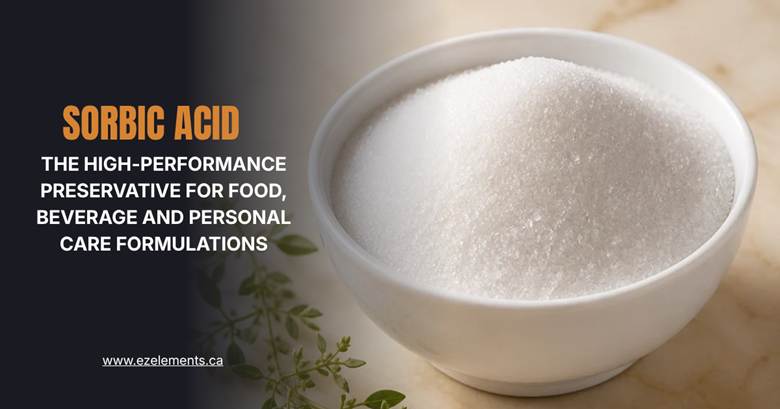
Sorbic Acid is a naturally occurring unsaturated fatty acid, chemically known as 2,4-hexadienoic acid, originally isolated from the unripe berries of the mountain ash (rowan) tree, Sorbus aucuparia. It is also formed naturally during the fermentation of certain foods. Commercially, Sorbic Acid is produced synthetically to achieve high purity and consistent performance, appearing as a colorless, needle-shaped crystalline powder that is tasteless to nearly tasteless and odorless to very slightly odorless. Its INCI name is Sorbic Acid, its internationally recognized food additive code is E200, and its CAS number is 110-44-1.
Sorbic Acid is a high-performance, broad-spectrum preservative used to help protect formulations from the growth of mold, yeast, and fungi. It is widely used across food, beverage, and personal care applications as an effective alternative to traditional preservatives such as parabens and nitrates. As the parent acid of potassium sorbate, sodium sorbate, and calcium sorbate, Sorbic Acid offers formulators a versatile preservation tool with a long, well-documented safety history and broad international regulatory acceptance, including GRAS classification by the FDA and recognition by the World Health Organization and the European Union as safe for its intended uses.
How Does Sorbic Acid Work?
Sorbic Acid works by disrupting the cellular machinery that mold, yeast, and certain bacteria rely on to survive and reproduce. Specifically, it interferes with the integrity of microbial cell membranes, inhibits key enzyme systems involved in cellular energy metabolism, and prevents the synthesis of essential cellular components that spoilage organisms need to grow. Because Sorbic Acid is a weak organic acid, its antimicrobial activity depends heavily on the pH of the formulation it is added to. In its undissociated form, which predominates in acidic conditions, Sorbic Acid passes through microbial cell membranes far more readily than in its dissociated, ionized form. Once inside the cell, the acid disrupts internal pH balance and enzyme function, effectively halting microbial growth before it can establish itself. This is why Sorbic Acid is most strongly associated with acidic and acidified products rather than products at a near-neutral pH, where the dissociated form predominates and antimicrobial performance declines.
Key Features & Benefits
- Broad-spectrum activity against mold, yeast, and a range of spoilage and pathogenic microorganisms across food, beverage, and personal care formulations.
- Naturally derived origin, first identified in rowan berries, and metabolized by the body in the same pathway as other dietary fatty acids, breaking down into carbon dioxide and water without residue.
- Effective, paraben-free, and nitrate-free alternative for formulators seeking to move away from traditional preservative systems while maintaining strong antimicrobial protection.
- Colorless, tasteless, and virtually odorless at recommended use levels, meaning it does not compromise the sensory profile of finished food, beverage, or cosmetic products.
- GRAS classified by the FDA and approved as E200 internationally, with recognition by the World Health Organization and acceptance under EU cosmetic regulations.
- Stable, good light resistance and heat resistance when stored correctly in sealed conditions, although it is hygroscopic and can oxidize and discolor when exposed to humid air over time.
- Synergistic with other approved preservatives, allowing formulators to build multi-layered, broad-spectrum preservation systems while keeping individual preservative concentrations lower.
What Is Sorbic Acid Used For?
Sorbic Acid is used across six industry categories served by EZ Elements, with food, beverage, and personal care representing its largest and most established applications.
- Cheese, including processed cheese and cheese coatings, where it is widely applied to prevent surface mold growth during storage and distribution
- Baked goods, including bread, cakes, and pastries, protecting against mold growth during ambient shelf life
- Wine, cider, and non-alcoholic beverages, where it inhibits yeast and mold growth and helps prevent unwanted secondary fermentation
- Salted, smoked, and air-dried fish and meat products, where it has been shown to effectively prevent mold and yeast corrosion even in open-ended packaging formats
- Jams, jellies, fruit preserves, and confectionery, extending shelf life against yeast and mold spoilage in sugar-rich products
- Salad dressings and acidified condiments, where its effectiveness in low-pH environments provides reliable, long-lasting protection
- Canned and shelf-stable food products requiring mold and yeast control across extended storage periods
- Facial and eye makeup formulations, where it protects against microbial contamination throughout the product use period
- Skin care creams, lotions, and serums, where it helps maintain product integrity and protects against spoilage organisms in water-containing formulations
- Hair care products, including shampoos and conditioners, requiring reliable antimicrobial protection in rinse-off and leave-in formats
- Beyond its preservative role, Sorbic Acid and its salts can also help adjust formulation pH, support moisture and nutrient retention on the skin surface, and contribute mild antioxidant properties in cosmetic systems
- Oral solutions and liquid pharmaceutical preparations, where it protects multi-dose products from microbial contamination throughout shelf life
- Topical pharmaceutical preparations, including creams and ointments, requiring stable antimicrobial protection
- Combination use alongside certain pharmaceutical actives, where Sorbic Acid and its salts have been shown to support formulation stability
- Animal feed and poultry feed preservation, where Sorbic Acid is a recognized and approved preservative against mold and spoilage organisms in feed products
- Pet food and treat formulations requiring extended shelf-life protection against fungal spoilage
- Corrosion, rust, and scale inhibition on metal surfaces, an established industrial application for Sorbic Acid and its derivatives such as potassium sorbate
- Preservative additive in food packaging adhesives and other materials intended to come into contact with food products
- Additive in rubber and certain packaging material formulations requiring antimicrobial stability
Technical Specifications
| Property | Specification |
| INCI Name | Sorbic Acid |
| CAS No. | 110-44-1 |
| Chemical Formula | C6H8O2 |
| Chemical Name | 2,4-Hexadienoic Acid |
| Food Additive Code | E200 |
| Appearance | Colorless, needle-shaped crystals or white crystalline powder |
| Odor | Odorless to very slightly odorless |
| Taste | Tasteless to nearly tasteless at recommended use levels |
| Assay (Purity) | 99.0% minimum (food and cosmetic grade) |
| Solubility | Slightly soluble in cold water; more soluble in hot water, alcohol, and oils |
| Effective pH Range | Most active in acidic conditions, generally below pH 6.5 |
| Stability | Stable when sealed and dry; hygroscopic and prone to oxidation and discoloration in humid air |
| Metabolism | Metabolized in the body via the same pathway as other fatty acids, breaking down to carbon dioxide and water |
| Origin | Naturally occurring in rowan berries; commercially produced synthetically for purity and consistency |
| Regulatory Status | GRAS (FDA); E200 (EU Codex); recognized by WHO; accepted under CTFA and EU cosmetic regulations |
Why Choose EZ Elements as Your Supplier
EZ Elements supplies high-purity Sorbic Acid with verified quality, consistent crystal specification, and complete documentation to support food and beverage manufacturers, personal care brands, pharmaceutical formulators, and pet care producers across Canada, including Ontario, and throughout North America.
- Full documentation including Technical Data Sheet (TDS), Certificate of Analysis (COA), and Safety Data Sheet (SDS)
- Food-grade and cosmetic-grade specifications meeting FDA, E200, and international regulatory requirements
- Bulk supply with transparent, competitive pricing per kilogram across all available pack sizes
- Technical support on effective use levels, pH optimization, and synergistic preservation combinations
Safety & Storage Guidelines
- Store in a cool, dry, well-ventilated area away from direct sunlight, heat, and humidity; Sorbic Acid readily absorbs moisture and will oxidize and discolor in humid air over time.
- Keep containers tightly sealed immediately after use to maintain purity, prevent moisture uptake, and protect against oxidative color change.
- Use within regulatory-specified concentration limits for each application type, as maximum permitted levels differ between food, pharmaceutical, and cosmetic applications and vary by jurisdiction.
- Wear protective gloves and avoid inhalation of fine powder dust during bulk handling in production environments.
- Shelf life is typically 2 years from manufacture date when stored correctly in sealed, cool, and dry conditions.
Complete handling, first aid, and disposal instructions are provided in the Safety Data Sheet (SDS) available from EZ Elements upon request.
Frequently Asked Questions
Q1: What is sorbic acid?
Sorbic acid is a naturally occurring unsaturated fatty acid, first identified in the berries of the mountain ash (rowan) tree, and now produced commercially as a high-purity, colorless, crystalline powder. It is internationally recognized under the food additive code E200 and is the parent compound of the sorbate salts, including potassium sorbate, sodium sorbate, and calcium sorbate. It is classified as generally recognized as safe (GRAS) by the FDA and is one of the most widely used preservatives in food, beverage, and personal care formulations worldwide.
Q2: What is sorbic acid used for?
Sorbic acid is used primarily as a broad-spectrum preservative that inhibits the growth of mold, yeast, and certain bacteria, protecting formulations from spoilage and extending shelf life. In food and beverages, it is used in cheese, baked goods, wine, salted and smoked fish, jams, and confectionery. In personal care, it preserves creams, lotions, shampoos, and makeup formulations. It is also used in pharmaceutical oral and topical preparations, in animal and poultry feed, and in select industrial applications including corrosion inhibition on metal surfaces and as an additive in food packaging adhesives.
Q3: How does sorbic acid work?
Sorbic acid works by disrupting the cell membranes of mold, yeast, and certain bacteria, inhibiting enzymes essential to their metabolism, and preventing them from synthesizing the cellular components they need to grow and reproduce. As a weak organic acid, its activity is strongest in acidic conditions, where more of the molecule remains in its undissociated form, which passes through microbial cell membranes more easily than the dissociated form. This pH dependence is why sorbic acid is most effective in acidic or acidified foods and formulations, generally below pH 6.5, rather than in products closer to neutral pH.
Q4: Can sorbic acid be combined with another preservative?
Yes. Sorbic acid is frequently combined with other approved preservatives to build a broader-spectrum, multi-layered preservation system. It is commonly paired with potassium sorbate, sodium benzoate, and citric acid in food, beverage, and personal care formulations, allowing each ingredient to compensate for the others’ relative limitations across pH range and microbial target. In pharmaceutical applications, sorbic acid and its sorbate salts have also been used alongside certain active ingredients to improve overall formulation stability. Formulators should always verify compatibility and conduct stability testing when combining preservatives in a new formulation.
Q5: Which preservative is better in food products, sorbic acid, potassium sorbate, or sodium benzoate?
There is no single answer, as each preservative has a distinct performance profile, and the right choice depends on the specific formulation, its pH, and its target spoilage organisms. Sorbic acid and potassium sorbate are closely related, with potassium sorbate being more water-soluble and therefore easier to incorporate directly into many formulations, while sorbic acid itself is often preferred where lower water solubility is functionally useful, such as in surface treatments for cheese. Sodium benzoate tends to perform best at lower pH, generally below 4.5, while sorbic acid and potassium sorbate remain effective across a broader pH range up to approximately 6.5. We are preparing a dedicated comparison blog that walks through potassium sorbate, sodium benzoate, and sorbic acid side by side, including guidance referenced from Health Canada usage guidelines, to help you choose the right preservative system for your specific product.
Q6: Is sorbic acid safe for food, cosmetics, skin, pharmaceuticals, and animal feed?
Yes, when used within established regulatory guidelines. Sorbic acid is GRAS classified by the FDA for food use, recognized as safe by the World Health Organization, and accepted under cosmetic regulations including those referenced by the CTFA and the EU Cosmetics Directive for use in skin, hair, and makeup products. It is approved for use in pharmaceutical oral and topical preparations in many countries, and it is also a recognized preservative for animal and poultry feed. As an unsaturated fatty acid, it is metabolized by the body in the same pathway as other dietary fats, breaking down into carbon dioxide and water without accumulating in the body. As with any preservative, manufacturers should use sorbic acid within the concentration limits established for their specific application and target market.
Q7: Where can I buy sorbic acid in Canada?
Sorbic acid is available for bulk purchase directly from EZ Elements, a sorbic acid supplier serving food and beverage manufacturers, personal care brands, pharmaceutical formulators, and pet care producers across Canada. Contact our team for current pricing, documentation, and product samples.
Q8: Where can I buy sorbic acid in Ontario?
EZ Elements supplies sorbic acid to customers across Ontario as part of our nationwide Canadian distribution. Whether you are based in Toronto, Ottawa, Mississauga, or elsewhere in the province, our team can arrange bulk supply, full documentation, and reliable delivery for your sorbic acid requirements. Contact us to discuss your Ontario sorbic acid supply needs.
Related Ingredients
The following EZ Elements ingredients are commonly used alongside Sorbic Acid in food, beverage, and personal care preservation systems:
- Potassium Sorbate The water-soluble potassium salt of sorbic acid, widely used as a more easily formulated alternative or companion to sorbic acid in food, beverage, personal care, and pet care preservation systems.
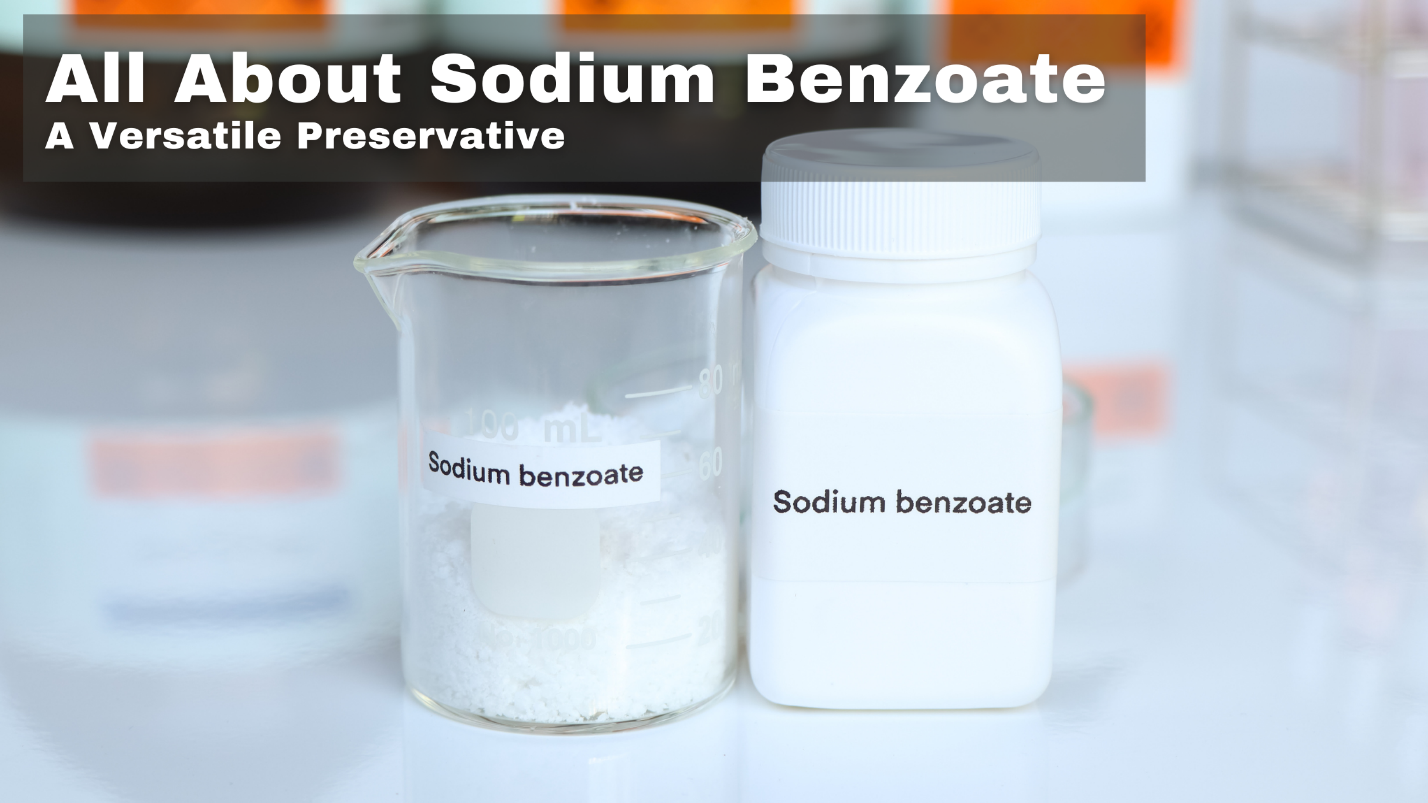
- Sodium Benzoate A complementary mild preservative most effective in lower-pH conditions; frequently combined with sorbic acid or potassium sorbate to provide broader-spectrum, multi-pH preservation coverage.
- Citric Acid (Anhydrous) USP/Kosher pH-adjusting acidulant that enhances sorbic acid effectiveness by lowering formulation pH into its optimal antimicrobial range; also used alongside sorbic acid in edible food coating film formulations.
Order or Enquire
Looking to buy Sorbic Acid in bulk? Contact EZ Elements, your sorbic acid supplier in Canada and Ontario, for current pricing, full product documentation, and supply options across food and beverage, personal care, pharmaceutical, pet care, and industrial applications. Reach out today to request a sample, Technical Data Sheet, or a bulk pricing quote for your next formulation project.