Product Overview
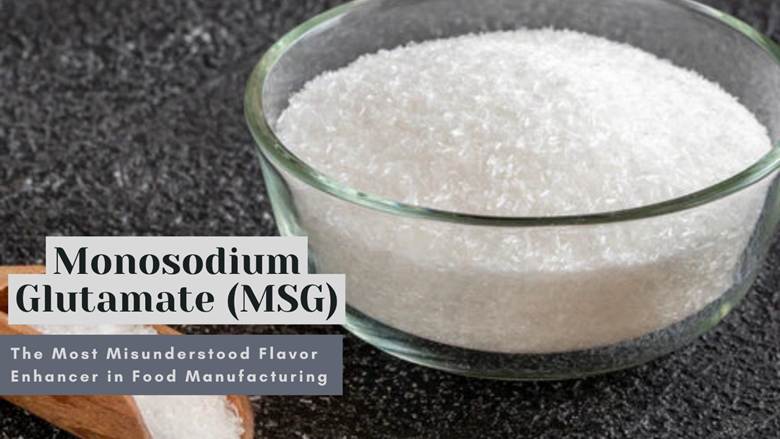
Monosodium Glutamate (MSG) is the sodium salt of glutamic acid one of the most abundant naturally occurring non-essential amino acids found throughout nature. It is present naturally in many foods that humans have prized for their savory, satisfying flavor for thousands of years: tomatoes, parmesan cheese, soy sauce, mushrooms, anchovies, seaweed, and fermented foods all contain significant amounts of free glutamate that contributes to their characteristic depth of flavor. Its chemical formula is C5H8NO4Na, its food additive code is E621, its CAS number is 6106-04-3, and its INCI name is Sodium Glutamate.
Commercially, MSG is produced through the fermentation of natural carbohydrate substrates typically sugarcane molasses, sugar beet, or starch using naturally occurring bacteria (primarily Corynebacterium glutamicum), in a process similar to the fermentation used to produce vinegar, yogurt, and other fermented food ingredients. The resulting glutamic acid is then neutralized with sodium hydroxide to form monosodium glutamate
crystals of high purity. EZ Elements supplies food-grade MSG meeting GRAS classification (FDA), E621 international food additive approval, and FCC (Food Chemicals Codex) standards.
Despite its well-established safety record with multiple major international regulatory bodies including the FDA, the European Food Safety Authority (EFSA), the World Health Organization (WHO), and Health Canada MSG remains one of the most misunderstood and unfairly stigmatized food ingredients in the public imagination. This blog provides food manufacturers, restaurant operators, food technology professionals, and home cooks with an accurate, evidence-based understanding of what MSG is, what the science says about its safety, and the full scope of its applications across food manufacturing and adjacent industries.
Key Features & Benefits
- Provides the fifth fundamental taste umami described as savory, meaty, brothy, and deeply satisfying; distinct from sweet, sour, salty, and bitter taste qualities.
- GRAS classified by the FDA, approved as E621 internationally, and recognized as safe by WHO, EFSA, and Health Canada one of the most extensively reviewed food ingredients in regulatory history.
- Produced by natural fermentation of plant-derived carbohydrates the same fundamental process used to produce vinegar, yogurt, and fermented food ingredients.
- Enables significant sodium reduction in food formulations MSG contains approximately 12% sodium versus 39% in table salt; replacing a portion of salt with MSG can reduce total sodium by 20 to 40% while maintaining or improving perceived saltiness and flavor.
- Highly effective at very low concentrations typical effective use levels of 0.1% to 0.8% provide significant flavor enhancement with minimal impact on product nutrition or cost.
- Heat-stable and pH-stable across normal food processing conditions suitable for cooking, baking, retort processing, and pasteurization without loss of activity.
- Clean flavor enhancement amplifies existing savory flavors rather than masking them, producing a rounder, more satisfying taste profile without imparting a distinct MSG flavor at recommended use levels.
Setting the Record Straight: MSG and the Science
MSG has been the subject of significant public misconception, largely stemming from a 1968 letter published in the New England Journal of Medicine describing a collection of symptoms (headache, flushing, sweating) attributed to Chinese restaurant food a syndrome that became colloquially known as “Chinese Restaurant Syndrome.” This letter was based on anecdotal self-reporting, not controlled scientific research, and has since been thoroughly refuted by multiple well-designed double-blind clinical studies.
The scientific consensus, supported by the FDA, WHO, EFSA, and Health Canada, is that MSG is safe for the general population at the concentrations used in food manufacturing. Double-blind placebo-controlled studies have consistently failed to demonstrate a reliable causal relationship between MSG consumption at dietary levels and the symptoms attributed to it. The symptoms reported in self-identified MSG-sensitive individuals occur at comparable rates in response to placebo, suggesting they are not caused by MSG itself.
MSG occurs naturally in the diet adults in Western countries consume approximately 0.3 to 1.0 gram of naturally occurring glutamate daily from foods, in addition to any MSG consumed from processed foods. The glutamate in added MSG is chemically identical to the glutamate naturally present in tomatoes, cheese, and other foods, and the body processes both the same way.
Applications
Monosodium Glutamate is used across five industry categories served by EZ Elements, with food and beverage manufacturing as its primary and dominant application.
- Seasoning and spice blend manufacturing where MSG is used as a primary flavor enhancer in mixed spice blends, seasoning salts, dry rub mixes, and flavored powder coatings
- Instant noodles, instant soups, and dry cup noodle products where MSG delivers the characteristic savory broth depth that defines this product category globally
- Processed meat products including sausages, hot dogs, deli meats, canned meats, and marinated meat products where it enhances savory meaty flavors and improves palatability
- Canned soups, canned vegetables, canned stews, and ready meals where it restores and enhances flavors diminished by high-temperature processing and long storage
- Snack foods including flavored potato chips, cheese puffs, crackers, popcorn seasonings, and savory snacks where umami provides the moreish, satisfying quality consumers seek
- Sauces and condiments including soy sauce-style products, oyster sauce, fish sauce, bouillon cubes, and seasoning powders where it amplifies the existing umami character of the base ingredients
- Sodium reduction reformulation food manufacturers replacing a portion of table salt with MSG in reduced-sodium product formulations to maintain flavor satisfaction while lowering total sodium content by 20 to 40%
- Restaurant and food service seasonings, kitchen flavor bases, and professional culinary seasoning blends used in commercial cooking globally
- Taste masking agent in oral pharmaceutical formulations for pediatric and adult medicines where bitter or unpleasant active pharmaceutical ingredients require flavor masking for patient compliance
- Glutamate-based pharmaceutical research and clinical nutrition applications where L-glutamic acid and its derivatives play roles in neurological and metabolic pathways
- Oral rehydration solution formulations where sodium glutamate contributes to the sodium content and palatability of electrolyte preparations
- Nutritional supplement and amino acid supplement formulations like glutamic acid derivatives support protein metabolism and cellular energy production
- Palatability enhancer in wet and dry commercial pet food formulations for dogs and cats glutamate receptors are present in carnivore taste systems and respond to umami similarly to humans
- Pet treat and snack formulations where MSG enhances the savory, meaty flavor profile that drives pet food acceptance and palatability
- Animal feed palatability improvement in livestock and poultry feed where flavor enhancement improves feed intake and growth performance
- Veterinary oral medication palatability improvement helping to mask unpleasant drug flavors in animal medications and supplements
- Fermentation industry reference compound and quality control standard in industrial fermentation research and production facilities
- Biotechnology research applications as a model amino acid in fermentation optimization, metabolic engineering, and strain development research
- Laboratory and analytical chemistry reference standard for amino acid analysis, chromatographic calibration, and sensory science research
- Sodium glutamate and related glutamic acid derivatives function as skin conditioning agents and amino acid humectants in cosmetic formulations
- Hair care formulations where sodium glutamate contributes amino acid conditioning benefits supporting hair protein integrity and moisture retention
- Anti-aging and skin barrier support formulations where glutamate plays a role in cellular energy metabolism and skin cell function
Technical Specifications
| Property | Specification |
| INCI Name | Sodium Glutamate |
| CAS No. | 6106-04-3 (anhydrous); 142-47-2 (monohydrate) |
| Chemical Formula | C5H8NO4Na (anhydrous); C5H8NO4Na.H2O (monohydrate) |
| Food Additive Code | E621 |
| Common Name | MSG, Monosodium Glutamate, Sodium Glutamate, Glutamate |
| Appearance | White, odorless, free-flowing crystalline powder or granules |
| Taste | Characteristic umami (savory) taste; not detectable as MSG at typical food use levels |
| Assay (Purity) | 99.0% minimum (food grade / FCC) |
| Sodium Content | Approximately 12% (versus 39% in table salt NaCl) |
| pH (5% Solution) | 6.7 to 7.2 (near neutral) |
| Solubility | Freely soluble in water (74 g per 100 mL at 20 degrees C); slightly soluble in alcohol |
| Glutamic Acid Content | 78.2% (anhydrous basis) |
| Origin | Fermentation of sugarcane molasses, sugar beet, or starch using Corynebacterium glutamicum |
| Production Method | Natural fermentation and crystallization — not synthetic or chemical |
| Recommended Use Level | 0.1% to 0.8% in finished food products depending on application category |
| Regulatory Status | GRAS (FDA); E621 (EU Codex); FCC compliant; approved by WHO, EFSA, Health Canada, and regulatory authorities in 100+ countries |
Why Choose EZ Elements as Your Supplier
EZ Elements supplies food-grade Monosodium Glutamate with verified purity, consistent crystal quality, and complete documentation to support food manufacturers, food service companies, seasoning producers, pet food manufacturers, and pharmaceutical formulators across Canada and North America.
We supply food manufacturers, restaurant supply companies, seasoning and spice producers, pet food brands, and pharmaceutical formulators, providing:
- Full documentation including Technical Data Sheet (TDS), Certificate of Analysis (COA), and Safety Data Sheet (SDS)
- Food-grade specification meeting FDA GRAS, E621, and FCC requirements with 99.0% minimum purity
- Bulk supply with transparent, competitive pricing per kilogram across all available pack sizes
- Technical support on effective use levels, sodium reduction strategies, flavor application guidance, and regulatory compliance information
Safety & Storage Guidelines
- Store in a cool, dry, well-ventilated area away from direct sunlight, heat, and moisture MSG is hygroscopic and will absorb moisture if containers are left unsealed.
- Keep containers tightly sealed after use to prevent moisture absorption and caking of the crystalline powder.
- MSG is classified as GRAS by the FDA and recognized as safe by major international regulatory bodies; use within recommended food industry concentration ranges.
- Individuals who report personal sensitivity to MSG should be aware that controlled clinical evidence for MSG sensitivity is not well established; however, formulators should label MSG-containing products clearly for consumer transparency and informed choice.
- Shelf life is typically 2 years from manufacture date when stored correctly in sealed, cool, and dry conditions.
Complete handling, first aid, and disposal instructions are provided in the Safety Data Sheet (SDS) available from EZ Elements upon request.
Frequently Asked Questions
Q1: Which industries use Monosodium Glutamate (MSG)?
MSG is used across five industries: Food and Beverages (primary flavor enhancer in processed foods, snacks, instant noodles, canned goods, sauces, seasonings, and sodium reduction reformulation), Pharmaceutical (taste masking in oral medicines, glutamate-based nutrition research, and oral rehydration formulations), Pet Care (palatability enhancer in pet food, pet treats, and animal feed), Industrial (fermentation research reference compound and biotechnology applications), and Personal Care (sodium glutamate as a skin and hair conditioning amino acid derivative in cosmetic formulations).
Q2: Is MSG safe? What does the scientific evidence say?
Yes. MSG is classified as GRAS (Generally Recognized as Safe) by the FDA and has been affirmed safe by the World Health Organization (WHO), the European Food Safety Authority (EFSA), the Joint FAO/WHO Expert Committee on Food Additives (JECFA), and Health Canada. Multiple double-blind, placebo-controlled clinical studies have failed to establish a reliable causal relationship between MSG consumption at dietary levels and the symptoms (headache, flushing, palpitations) sometimes attributed to it. The concept of MSG sensitivity, as popularly understood, has not been validated by rigorous scientific evidence. The glutamate in MSG is chemically identical to naturally occurring glutamate consumed daily in tomatoes, cheese, mushrooms, and other foods, and the body metabolizes both identically.
Q3: How is MSG produced, and is it natural?
MSG is produced through natural fermentation of plant-derived carbohydrates most commonly sugarcane molasses or sugar beet. Naturally occurring bacteria (primarily Corynebacterium glutamicum) ferment these carbohydrate substrates, producing glutamic acid as a fermentation metabolite in a process fundamentally similar to how vinegar, yogurt, wine, and other fermented foods are made. The glutamic acid is then neutralized with sodium hydroxide to form MSG. This is not a synthetic chemical process but a natural fermentation process. The resulting MSG is chemically identical to the glutamate naturally present in food. It can be accurately described as a fermentation-derived food ingredient, much like citric acid or ascorbic acid.
Q4: How does MSG help food manufacturers reduce sodium?
This is one of the most practically important applications of MSG for contemporary food manufacturers. Table salt (sodium chloride) contains 39% sodium by weight. MSG contains only about 12% sodium by weight. MSG also has a synergistic effect with sodium chloride the combination of umami from MSG and saltiness from sodium chloride produces a perceived saltiness and flavor satisfaction greater than either compound provides alone. Research has consistently shown that replacing 20 to 40% of the salt in a food formulation with a proportionally smaller amount of MSG can maintain or improve the overall flavor satisfaction of the product while reducing total sodium content by 20 to 40%. For food manufacturers responding to regulatory pressure and consumer demand for reduced-sodium products, MSG provides a scientifically validated, low-cost tool for achieving meaningful sodium reduction without compromising product palatability.
Q5: Can MSG be used in organic or clean-label food products?
MSG is not accepted in certified organic food production as it is a processed food additive rather than an agricultural ingredient. For clean-label positioning, food manufacturers should note that MSG must be declared as “monosodium glutamate” on the ingredient label when added to food products it cannot be hidden under general terms. Some clean-label formulation strategies use naturally high-glutamate ingredients such as yeast extract, hydrolyzed vegetable protein, or tomato powder to achieve similar umami flavor enhancement without the need to declare MSG specifically. For food manufacturers not pursuing organic or strict clean-label positioning, MSG remains one of the most cost-effective and evidence-based flavor enhancement tools available.
Q6: Where can I buy food-grade MSG in bulk in Canada?
Monosodium Glutamate (MSG) food grade is available for bulk purchase from EZ Elements, with supply options for food manufacturers, food service companies, seasoning producers, pet food manufacturers, and pharmaceutical formulators across Canada and North America. Contact our team for current pricing, documentation, and product samples.
Related Ingredients
The following EZ Elements ingredients are commonly used alongside MSG in food and beverage formulations:
- Citric Acid (Anhydrous) USP/Kosher pH adjuster and acidulant commonly combined with MSG in seasoning blends, condiments, and snack seasonings; citric acid provides brightness and tartness that complements and balances MSG umami depth.
- Potassium Sorbate Mild preservative used alongside MSG in sauce, condiment, and seasoning formulations requiring both flavor enhancement and antimicrobial preservation throughout product shelf life.
- Xanthan Gum (200 Mesh) Natural thickener and stabilizer used alongside MSG in sauce, dressing, and processed food formulations where both flavor enhancement and texture stability are required.
Order or Enquire
Looking to buy Monosodium Glutamate (MSG) food grade in bulk? Contact EZ Elements for current pricing, full product documentation, and supply options across food and beverage, pharmaceutical, and pet care applications. We supply brands, manufacturers, and formulators across Canada and North America. Reach out today to request a sample, Technical Data Sheet, or a bulk pricing quote for your next project.