Product Overview
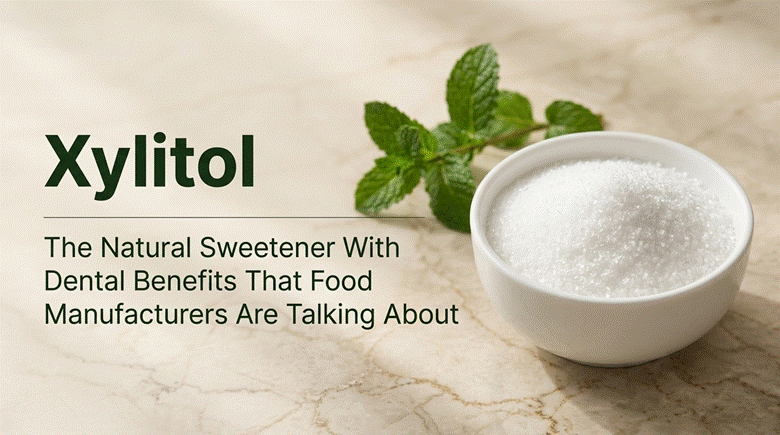
Xylitol is a naturally occurring sugar alcohol (polyol) found in small quantities in many fruits, vegetables, and hardwood trees, particularly birch and beech. It is produced commercially through the hydrogenation of xylose, a five-carbon sugar derived from the hemicellulose component of corn cobs, birch wood, or other plant biomass sources. Its chemical formula is C5H12O5, its food additive code is E967, and its CAS number is 87-99-0. EZ Elements supplies food-grade Xylitol as a white, crystalline, free-flowing powder with a clean, cool, pleasant sweetness and no lingering aftertaste.
Xylitol is approximately as sweet as sucrose but provides only about 2.4 kilocalories per gram compared to sugar’s 4 kilocalories per gram, making it a reduced-calorie alternative. What truly sets it apart from every other sweetener in this caloric range is something no other common sweetener can claim at the same level: it actively benefits oral health rather than simply avoiding harm to it. Unlike sugar and most other fermentable carbohydrates, Xylitol is not metabolized by the oral bacteria responsible for tooth decay, and clinical research has consistently shown that regular Xylitol consumption inhibits the adhesion and growth of Streptococcus mutans, the primary cavity-causing bacterium, and can actively promote the remineralization of tooth enamel. This combination of sweetness, reduced calories, and genuine, research-backed dental health benefit is precisely why food manufacturers, oral care brands, and pharmaceutical formulators across Canada are paying attention to Xylitol.
The Dental Health Benefit That Makes Xylitol Different
Most sugar substitutes compete on the basis of what they do not do: they do not raise blood sugar, they do not contribute calories, they do not feed oral bacteria. Xylitol does all of those things, and it does something more: it actively disrupts the biological cycle that leads to tooth decay.
The mechanism works at two levels. First, Streptococcus mutans, the bacterium primarily responsible for dental caries, cannot ferment Xylitol for energy the way it ferments sucrose and other sugars. Without the acid produced by fermentation, the pH in the mouth does not drop, and the enamel demineralization that precedes cavity formation does not occur. Second, when S. mutans attempts to take up Xylitol, it enters a futile metabolic cycle that wastes the bacterium’s energy without producing usable output, which over time suppresses bacterial growth and reduces the population of S. mutans in the mouth. This population reduction is cumulative with regular Xylitol use, which is why clinical studies have shown meaningful reduction in cavity incidence with consistent, daily Xylitol consumption from chewing gum, lozenges, and oral care products.
Beyond this primary mechanism, Xylitol also stimulates saliva flow, and saliva is the mouth’s natural defense system against acid, bacterial adhesion, and mineral loss. The increased saliva flow that Xylitol produces helps neutralize acid, buffer pH, and deliver calcium and phosphate ions to the enamel surface, actively supporting remineralization of early lesions before they progress to cavities. This is not a theoretical benefit: it is recognized by dental health authorities in multiple countries as the basis for tooth-friendly food labeling claims and is the foundation of decades of clinical research.
Key Features & Benefits
- Naturally occurring in birch wood, corn cobs, fruits, and vegetables, with the same familiar sweetness profile as sucrose and a pleasant cooling sensation on the palate.
- Approximately the same sweetness as sugar but with only about 2.4 kilocalories per gram compared to sugar’s 4 kilocalories per gram, supporting reduced-calorie product positioning.
- Non-cariogenic and actively anti-cariogenic: not fermented by cavity-causing bacteria, inhibits Streptococcus mutans growth and adhesion, and promotes enamel remineralization through enhanced saliva flow.
- Low glycemic response, metabolized independently of insulin, making it a long-established sweetener in diabetic-friendly and low-glycemic food formulations.
- Clean, pleasant taste with a mild cooling sensation and no bitter or metallic aftertaste, producing strong consumer acceptance in finished food and personal care products.
- Non-hygroscopic in crystalline form when stored correctly, with good stability across normal food processing and storage conditions.
- GRAS classified by the FDA, approved as E967 internationally, and Kosher and Halal certified, with a long and well-documented regulatory history across food, pharmaceutical, and personal care applications.
Applications
Xylitol food grade is used across six industry categories, with food, beverage, and oral care representing its largest and most commercially significant applications.
- Sugar-free and reduced-calorie confectionery including hard candy, soft chews, chocolate, and mints, where its clean sweetness and dental health positioning are primary differentiating features
- Chewing gum, the largest single commercial application for Xylitol, where clinical evidence for cavity prevention supports tooth-friendly product claims that are a core marketing element for major gum brands globally
- Baked goods, nutrition bars, and cookies formulated for diabetic-friendly or reduced-sugar positioning, where its low glycemic response and familiar sweetness profile support sugar replacement
- Dairy products, yogurt, and dairy alternatives, where it provides sweetness without the glycemic impact of conventional sugar
- Sugar-free beverages, flavored waters, and instant drink mixes, where it contributes body and sweetness alongside other high-intensity sweeteners
- Tabletop sweetener formulations and sugar-replacement blends for consumer and food service use
- Toothpaste and tooth gel formulations, where it contributes sweetness and plays an active role in the oral health positioning of natural and conventional toothpaste products
- Mouthwash, oral rinse, and breath freshening products, where its anti-bacterial mechanism against S. mutans supports cavity-prevention label claims
- Dental lozenges, sugar-free mints, and breath mints formulated for post-meal use to maximize the window of oral health benefit
- Lip balm and lip care products, where it contributes a pleasant sweet taste and mild skin-conditioning properties
- Natural and clean-label personal care products where a plant-derived, non-cariogenic sweetener is preferred over synthetic alternatives
- Chewable tablets and oral dissolving formulations for pediatric and adult medicines, where Xylitol improves palatability and supports tooth-friendly claims in children’s medications
- Lozenges and throat drops, where its sweetness and saliva-stimulating properties support both palatability and throat comfort
- Nasal spray and sinus rinse formulations, where Xylitol has been studied for its ability to inhibit bacterial adhesion in nasal passages and support mucosal health
- Liquid pharmaceutical syrups and suspensions, where it functions as a non-cariogenic sweetener for multi-dose oral medicines taken regularly over extended periods
Critical safety note: Xylitol is highly toxic to dogs and causes severe, potentially fatal hypoglycemia and liver failure even at very small doses. Xylitol must never be used in any product intended for dogs or where dogs could have access. It is generally considered safe for cats and some other animal species, but any pet food or pet care application must be verified with veterinary toxicology expertise and applicable regulatory guidance before use.
- Feline dental care formulations, where Xylitol’s anti-cariogenic and saliva-stimulating properties may be of interest for oral health products specifically formulated for cats, subject to veterinary guidance
- Chemical synthesis applications, where Xylitol serves as a starting material or intermediate in the production of specialty chemicals, coatings, and biodegradable polymer systems
- Pharmaceutical manufacturing processes, where Xylitol is used as a cryoprotectant and stabilizer during freeze-drying of pharmaceutical proteins and biologics
Technical Specifications
| Property | Specification |
| Chemical Name | Xylitol (D-Xylitol) |
| CAS No. | 87-99-0 |
| Chemical Formula | C5H12O5 |
| Food Additive Code | E967 |
| Common Name | Xylitol, Wood Sugar Alcohol, Birch Sugar |
| Appearance | White, free-flowing crystalline powder |
| Taste | Clean, sweet with a pleasant cooling sensation; approximately 100% as sweet as sucrose |
| Caloric Value | Approximately 2.4 kcal per gram (versus 4 kcal per gram for sucrose) |
| Glycemic Index | 7 (versus 65 for sucrose); very low glycemic response |
| Solubility | Freely soluble in water; increases with temperature |
| Melting Point | 92 to 96 degrees C |
| Stability | Stable under normal food processing temperatures and pH ranges |
| Origin | Hydrogenation of xylose derived from corn cobs (primary commercial source) or birch/beech wood |
| Non-Cariogenicity | Confirmed non-cariogenic; inhibits Streptococcus mutans growth and adhesion |
| Regulatory Status | GRAS (FDA); E967 (EU); Kosher and Halal certified |
Why Choose EZ Elements as Your Supplier
EZ Elements supplies food-grade Xylitol with verified purity, consistent crystal quality, and complete documentation to support food and beverage manufacturers, oral care brands, pharmaceutical formulators, and confectionery producers across Canada.
- Full documentation including Technical Data Sheet (TDS), Certificate of Analysis (COA), and Safety Data Sheet (SDS)
- Food-grade specification meeting FDA GRAS, E967, and FCC requirements with Kosher and Halal certification
- Bulk supply with transparent, competitive pricing per kilogram across all available pack sizes
- Technical support on use levels, dental health claim requirements, formulation compatibility, and blending with other sweeteners or bulking agents
Safety & Storage Guidelines
- Store in a cool, dry, well-ventilated area below 25 degrees C with relative humidity below 60%, as Xylitol can absorb moisture and clump if exposed to humid conditions during storage.
- Keep containers tightly sealed after use to protect from moisture and maintain consistent crystal quality and sweetness intensity.
- CRITICAL pet safety warning: Xylitol is highly toxic to dogs and can cause rapid, severe hypoglycemia and acute liver failure even in small amounts. Keep all Xylitol and Xylitol-containing products completely away from dogs, and never use Xylitol in any product intended for canine use.
- Like other sugar alcohols, excessive Xylitol consumption can produce a laxative effect in sensitive individuals, which must be disclosed on food product packaging in accordance with applicable regulations.
- Shelf life is typically 24 months from manufacture date when stored correctly in sealed packaging under cool, dry conditions.
Complete handling, first aid, and disposal instructions are provided in the Safety Data Sheet (SDS) available from EZ Elements upon request.
Frequently Asked Questions
Q1: Why are food manufacturers talking about Xylitol and its dental benefits?
Xylitol is attracting attention in food manufacturing because it offers something that no other common bulk sweetener can match: active, research-backed dental health benefit combined with familiar sugar-like sweetness and a reduced calorie profile. Most sugar substitutes compete on the basis of what they do not do, not contributing calories, not raising blood sugar, not feeding oral bacteria. Xylitol does all of that, and additionally inhibits the growth and adhesion of Streptococcus mutans, the primary cavity-causing bacterium, and promotes tooth enamel remineralization by stimulating saliva flow. This allows food manufacturers to make genuinely differentiated, clinically supported tooth-friendly claims on confectionery, oral care, and functional food products, which is a competitive positioning advantage that is very difficult to achieve with other sweeteners.
Q2: How does Xylitol actively prevent tooth decay rather than simply not causing it?
Xylitol prevents tooth decay through two distinct mechanisms. First, unlike sucrose and other fermentable sugars, Xylitol cannot be metabolized by Streptococcus mutans for energy, so the bacterium cannot produce the lactic acid that causes enamel demineralization and cavity formation. Second, when S. mutans takes up Xylitol, it enters a metabolic cycle that actively drains the bacterium’s energy without producing useful output, suppressing its growth and reducing its population in the mouth over time with regular use. Additionally, Xylitol stimulates saliva flow, and saliva provides calcium and phosphate ions that the enamel needs for remineralization, helping repair early lesions before they develop into cavities. This multi-mechanism action is the basis for decades of clinical research and tooth-friendly labeling claims approved in multiple countries.
Q3: Is Xylitol safe for people with diabetes?
Yes. Xylitol has a glycemic index of approximately 7, compared to 65 for sucrose, meaning it produces a much lower and slower rise in blood glucose after consumption. It is also metabolized largely independently of insulin, unlike sucrose and glucose, making it a long-established ingredient in diabetic-friendly food formulations. However, people with diabetes who are managing their carbohydrate intake should be aware that Xylitol does contain approximately 2.4 kilocalories per gram and does contribute some carbohydrates, though at significantly lower glycemic impact than sugar. People with diabetes should consult their healthcare provider when making significant dietary changes.
Q4: What is the difference between birch-derived and corn-derived Xylitol?
Birch-derived Xylitol is produced from the hemicellulose of birch or other hardwood trees, while corn-derived Xylitol is produced from corn cob hemicellulose, which is the primary global commercial source due to the abundance and cost-effectiveness of corn cob biomass as a feedstock. The finished Xylitol molecule is chemically identical regardless of the plant source; both are the same compound with the same sweetness, caloric value, glycemic response, and dental health properties. The distinction matters primarily for manufacturers seeking non-GMO certified material from specific plant sources, clean-label positioning referencing birch origin, or buyers with specific supply chain preferences. Both sources are commercially available and widely used in food and personal care manufacturing.
Q5: Why is Xylitol dangerous for dogs when it is safe for humans?
Xylitol is rapidly and almost completely absorbed into the bloodstream in dogs, where it triggers a massive, rapid release of insulin from the pancreas, causing severe hypoglycemia within 30 to 60 minutes of ingestion. This hypoglycemic response does not occur in humans or most other animals because human metabolism handles Xylitol very differently. In dogs, even relatively small amounts can cause blood sugar to drop to life-threatening levels, causing weakness, seizures, and collapse. Acute liver failure can also occur within a few days of larger exposures. The dose required to cause toxicity in dogs is much lower than most people assume, making any accidental exposure serious. There is no antidote, and treatment requires immediate veterinary care. Xylitol must never be used in any product intended for dogs.
Q6: Where can I buy food-grade Xylitol in bulk in Canada?
Food-grade Xylitol is available for bulk purchase from EZ Elements, with supply options for food and beverage manufacturers, oral care brands, pharmaceutical formulators, and confectionery producers across Canada. EZ Elements is a Canadian supplier serving both small-batch and commercial-scale buyers with full documentation, competitive pricing, and reliable supply. Contact our team for current pricing, documentation, and product samples.
Related Ingredients
The following EZ Elements ingredients are commonly used alongside Xylitol in sugar-free and reduced-calorie food, beverage, and oral care formulations:
- Erythritol (18-60 Mesh) A zero-calorie sugar alcohol frequently blended with Xylitol in sugar-free confectionery and baked goods to reduce the overall caloric content further while balancing the sweetness intensity and mouthfeel of the finished product.
- Sorbitol 70% Kosher A humectant and bulk sweetener often used in combination with Xylitol in sugar-free chewing gum, confectionery, and oral care products, where Sorbitol contributes moisture retention alongside Xylitol’s dental health function.
- Citric Acid (Anhydrous) USP/Kosher A food-grade acidulant paired with Xylitol in sugar-free candy, flavored beverages, and confectionery to balance sweetness with tartness and create a more rounded, appealing flavor profile.
Order or Enquire
Looking to buy food-grade Xylitol in bulk? Contact EZ Elements for current pricing, full product documentation, and bulk wholesale supply options across food and beverage, oral care, pharmaceutical, and personal care applications. We supply brands, manufacturers, and formulators across Canada. Reach out today to request a sample, Technical Data Sheet, or a bulk pricing quote for your next project.